
Integrity Fire Safety: a HubSpot rebuilt from scratch.
A fire safety services company already had HubSpot, but the data, integrations, and logic inside it created more confusion than clarity. We restructured everything from the ground up, then scaled it into a pipeline that closes.

Integrity Fire Safety Services
Fire safety services: testing, inspection, and renewals, run on HubSpot.
Having a CRM is not the same as having a system. Integrity Fire Safety had HubSpot, but inside it the data was confused, the integrations fought each other, and the logic behind stages and properties no longer matched how the business worked.
Every fix layered on top of that mess made it heavier. Rather than patch it, the decision was to start over: structure everything from scratch first, then scale on a foundation the team could trust.
What we built.
A pipeline documented end to end
We built the sales pipeline for Test and Inspect through to Renewals, and documented every deal stage, including the conditional properties each stage requires, so the CRM mirrors how the business actually sells.
Inspection reminders that fire themselves
Automation designed around when the inspection is due: reminders go out on schedule without anyone tracking dates by hand, and no renewal quietly slips past.
Services mapped properly
We reworked the services mapping inside HubSpot, so every service the company sells is represented cleanly in the CRM instead of living in free-text fields and workarounds.
ServiceTrade connected to HubSpot
Connecting ServiceTrade to HubSpot enabled a clear lead to cash journey: from the first enquiry, through the work, to the money collected, all visible in one flow.
What changed.
25%
increase in the Test and Inspect pipeline
20%
improvement in the closure rate
Lead to cash
a clear journey with ServiceTrade connected to HubSpot
The pipeline grew and closed better at the same time, which is what happens when the process underneath the CRM is finally sound.
Sales infrastructure that survives
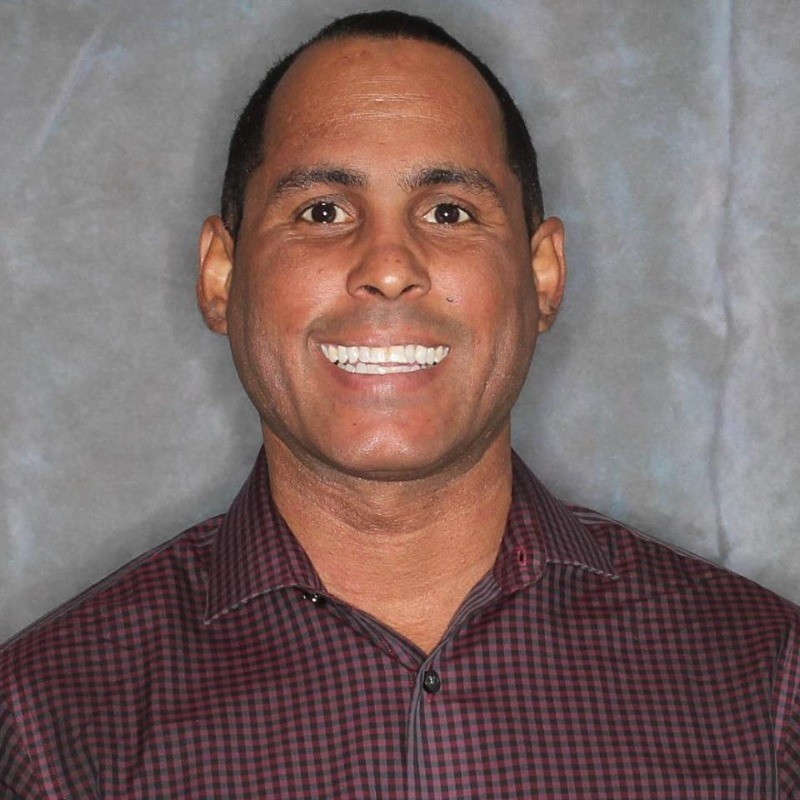
“Rishabh and the Revlyn team have led foundational CRM and sales infrastructure work across several engagements I’ve been involved in. What stood out every time was the sequencing of priorities. They didn’t just configure tools, they built the underlying process first, so the CRM reflected how the business actually sold rather than forcing a sales team into a generic template. That distinction matters more than most vendors seem to understand. The onboarding was thorough without being slow, and the team stayed engaged past go-live rather than disappearing once the implementation was “done.” I’d recommend them to any operator looking to build sales infrastructure that survives contact with a real sales team.”
Ira Coleman
Director of Services, Integrity Fire Safety Services
Why it worked.
The rebuild did not begin with features. It began with structure: how a job moves from enquiry to test, to inspection, to renewal, and what must be true at each stage for the next one to run. Once that was written down, the stages, properties, and automation had something honest to implement.
That is the same order we apply to every engagement. A CRM patched over a confused process stays confused. A CRM built on a documented process scales.
Is your HubSpot fighting your team?
Bring us the confusion. We will map how your business actually sells and show what a rebuilt system could look like.